Interesting facts about “Vitamin D”
Interesting facts about “Vitamin D”
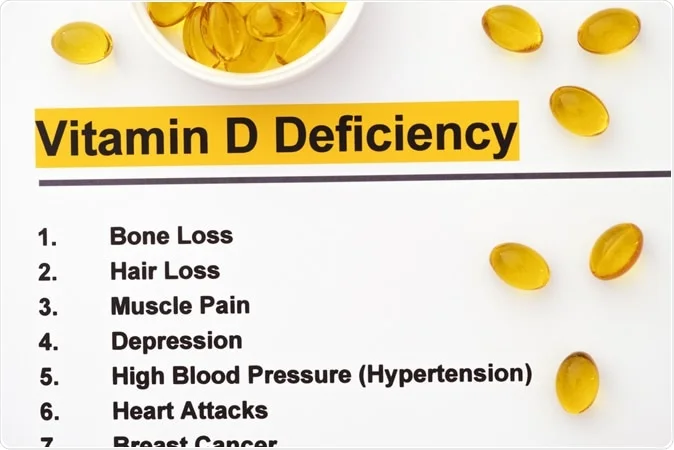
“Vitamin D” is an important vitamin for the body. It helps the calcium that is eaten to be absorbed from the intestines better. It helps strengthen bones and muscles and reduces the risk of falls. When there is a lack calcium absorption is reduced. Bone breakdown increases. And the latest data has found.
That vitamin D is related to some chronic diseases. For example, giving supplements to the elderly aged 75 years or older may reduce the mortality rate. Giving supplements to people at risk of diabetes may help reduce the risk of diabetes.
Risk factors for vitamin D deficiency
1. Avoiding exposure to sunlight (meaning exposure to UVB, which is in sunlight between 9:00 a.m. and 3:00 p.m. and must be on a clear day with no pollution) such as using an umbrella, wearing a coat, wearing a hat.
2. Applying sunscreen because it can protect against UVB rays.
3. Living in an office all day makes the body unable to synthesize from the skin.
4. As we age, our skin’s ability to สนใจสมัคร? คลิกที่นี่เพื่อเริ่มต้น produce decreases.
5. Not getting enough from food. Foods high include fatty fish such as sardines, trout, tuna, salmon, mackerel, and fortified milk and cereals.
6. People with dark skin tone, which will cause the skin to synthesize less.
7. People with intestinal diseases have problems with fat absorption is a fat-soluble vitamin.
8. People with chronic pancreatitis have reduced vitamin absorption.
9. People who are overweight or have accumulated fat are often at risk deficiency.
10. Pregnant or breastfeeding women
Vitamin D and the sun
UVB radiation produces in the skin. Which plays an important role in calcium and phosphorus homeostasis. As much as 90 per cent of a person’s is obtained from exposure to sunlight. In recent years it has become apparent. That has numerous other roles in the body. Including regulation of cell growth, neuromuscular and immune functions, as well as an anti-inflammatory role. Evidence also points to a possible protective role against certain cancers.